

Power Outage in Germany: Checklist & Safety
What to do during a blackout in Germany? Emergency checklist, BBK food reserves, fridge food safety and reporting to grid operators.
A sudden power outage in Germany catches most residents by surprise: indoor lighting instantly dies, internet modems lose synchronization, heating circulation pumps go silent, and modern communications can be compromised within hours. Although Germany's power grid ranks among the world's most stable—averaging less than 12 minutes of unscheduled downtime per customer per year according to the Federal Network Agency (Bundesnetzagentur)—severe weather events, transformer defects, construction excavation accidents, and localized transformer overloads still trigger unexpected blackouts. This comprehensive editorial guide delivers actionable step-by-step instructions, legal reporting responsibilities, and official emergency planning advice from the Federal Office of Civil Protection and Disaster Assistance (BBK) and DIN VDE electrical standards.
Step 1: Diagnostics – Domestic Fuse Trip or Grid-Level Blackout?
Before jumping to conclusions, you must determine whether the issue is isolated to your private consumer unit or represents a genuine medium/low-voltage distribution outage.
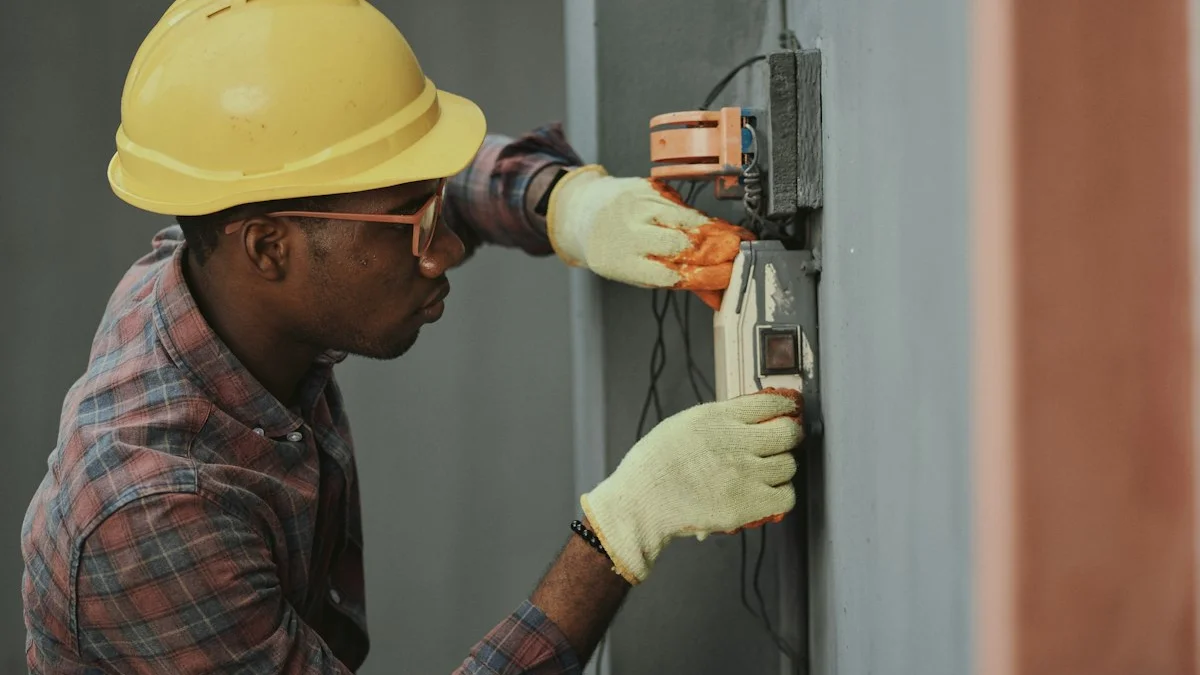
- Inspect Your Distribution Box: Check your home breaker panel. Has the residual current device (RCD / FI-Schutzschalter) or a miniature circuit breaker (MCB) tripped? A short circuit in an electric kettle, a washing machine heating element, or moisture inside an outdoor garden socket are common causes of domestic power cuts.
- Observe the Neighborhood: Look out of your window. Are lights on in neighboring houses across the street? Are municipal streetlights or traffic lights functioning? In apartment buildings, check if the emergency exit stairwell illumination is lit.
- Scan for Wi-Fi Networks on Mobile: If you open your smartphone's Wi-Fi network settings and every single neighboring SSID has simultaneously disappeared, you are experiencing a broader neighborhood grid outage.
Step 2: Immediate Domestic Safety Actions
Once you confirm an external utility power interruption, take immediate precautions to safeguard your home against hazards:
- Turn Off Major Heating Appliances: Switch off electric stoves, oven dials, clothes irons, toasters, and space heaters immediately. When grid voltage is restored hours later while you are sleeping or away from home, unattended active heating elements cause severe domestic fires.
- Disconnect Sensitive Electronics: Unplug computers, OLED televisions, smart home hubs, and audio equipment. Grid restoration by distribution system operators often produces transient voltage spikes and inrush currents capable of frying delicate circuit boards.
- Keep One Central Light Switched On: Leave a single light switch engaged in a central hallway. This signals the exact moment mains power returns without having to monitor breaker switches.
- Use Safe Illumination: Always prioritize LED flashlights, battery-powered lanterns, or headlamps over wax candles. Candles remain a leading cause of residential house fires during power outages. If candles must be used, place them on non-flammable ceramic bases and never leave them unattended.
Step 3: Refrigerators and Freezers – Food Safety Guidelines
One of the primary concerns during blackouts is the preservation of perishable groceries. According to food safety standards from the German Federal Institute for Risk Assessment (BfR):
Inside a closed refrigerator, temperatures remain below critical thresholds for approximately 4 to 6 hours. Do not open the door unnecessarily: opening the seal allows warm ambient air to displace cold internal air instantly. Perishable items like ground minced meat, raw poultry, and unpasteurized milk products should be consumed or cooked promptly if an outage exceeds four hours.
Inside a dedicated freezer, items remain safe much longer. A fully stocked, well-insulated chest freezer maintains sub-zero temperatures for 24 to 48 hours if the lid remains sealed. A half-full freezer typically holds food safely for 12 to 18 hours. When power returns, inspect frozen food: if ice crystals remain throughout the packaging and items are rock solid, they can be safely refrozen. Never refreeze completely thawed meat or raw fish without cooking first.
Step 4: Reporting the Outage – Energy Retailer vs. Distribution Grid Operator
A widespread point of confusion in Germany is knowing whom to contact during a blackout. Note carefully: your electricity supplier (the company that sends your monthly billing statement, such as Vattenfall, Yello, or E.ON) does not manage physical power lines or handle grid repairs!
The entity responsible for infrastructure repairs is your regional Verteilnetzbetreiber (VNB)—the distribution system operator (e.g., Stromnetz Berlin, Stromnetz Hamburg, Netze BW, Bayernwerk, Westnetz, or Syna). You can locate your distribution operator on your annual electricity bill or by using the real-time operator directory on StoerungAktuell.de.
Never dial emergency 110 or 112 to report a standard power outage! Police and fire rescue dispatchers must keep lines open for acute medical emergencies and life-threatening fires. Contact your distribution operator's dedicated 24-hour hotline or submit a digital outage report online.
Step 5: Civil Protection – The BBK 10-Day Emergency Checklist
The Federal Office of Civil Protection and Disaster Assistance (BBK) advises every German household to maintain sufficient emergency provisions to survive independently for ten days. During widespread prolonged power failures, supermarket checkouts, ATM cash dispensers, and fuel stations become inoperative:
| Category | Recommended Provisions per Person | Critical Usage Guidelines |
|---|---|---|
| Drinking Water | At least 2 liters of fluid per person per day (20 liters for 10 days) | 1.5 liters for hydration, 0.5 liters for hygiene and dehydrated food preparation. |
| Non-Perishable Food | Canned meals, legumes, pasta, rice, nuts, oatmeal, dried fruit | Store items that do not require refrigeration and can be prepared using a camping gas burner. |
| Public Broadcasting | Hand-crank radio or battery-powered FM/DAB+ radio | Public broadcasters (ARD, Deutschlandfunk) serve as the official emergency broadcast medium. |
| Lighting & Power | LED lanterns, headlamps, spare alkaline batteries, charged USB power banks | LiFePO4 portable power stations for essential medical equipment and communication gear. |
| Emergency Cash | Cash reserve in small banknotes and coins (100–300 Euros at home) | Electronic card terminals and ATMs cease functioning during electrical outages. |
Step 6: Backup Generators & Power Stations – DIN VDE 0100-551 Compliance
Many homeowners consider purchasing portable fuel generators or home battery systems. However, strict technical and safety standards apply across Germany:
The Hazard of Grid Backfeeding: Never attempt to connect a portable generator to a standard household socket using an illegal male-to-male plug! This creates an extreme danger: it feeds electricity backwards into the public utility grid. Grid technicians working on external power lines under the assumption that the circuit is dead risk fatal electrocution from your generator's backfeed.
Under DIN VDE 0100-551, any generator feeding into a building's electrical circuitry must utilize a certified manual or automatic transfer switch (break-before-make 1-0-2 switch). This guarantees complete physical galvanic isolation from the utility grid prior to generator engagement. Such switches must be installed exclusively by a licensed electrical contractor registered with your local grid operator.
For tenants and apartment owners, modern LiFePO4 power stations offer the safest and quietest alternative. Capable of storing 1,000 to 2,000 watt-hours, these clean lithium units power internet routers, laptops, medical devices, and portable coolers for hours without fumes, fuel hazards, or noise.
Frequently Asked Questions (FAQ)
Does my landline home phone work during a power outage?
No. Following the nationwide migration to All-IP telephony, landline phones depend entirely on your broadband router. When the router loses power, landline calling drops immediately. Rely on your mobile phone and maintain fully charged power banks.
Does home heating work during a winter blackout?
In almost all cases, no. Gas boilers, oil furnaces, pellet systems, and heat pumps rely on electricity for control circuit boards, ignition units, and circulation pumps that circulate hot water through radiators. Keep thermal blankets, winter sleeping bags, and warm clothing ready for winter emergencies.
Can I claim compensation for spoiled food in the freezer?
Only under very rare circumstances. Under Germany's Low Voltage Connection Ordinance (NAV § 18), distribution grid operators are only liable for damages resulting from willful misconduct or gross negligence. Unforeseen storms, lightning strikes, or tree falls constitute force majeure. Certain household content insurance policies (Hausratversicherung) cover refrigerated goods; check your policy details.